Why Kenya
A country with its own rhythm.
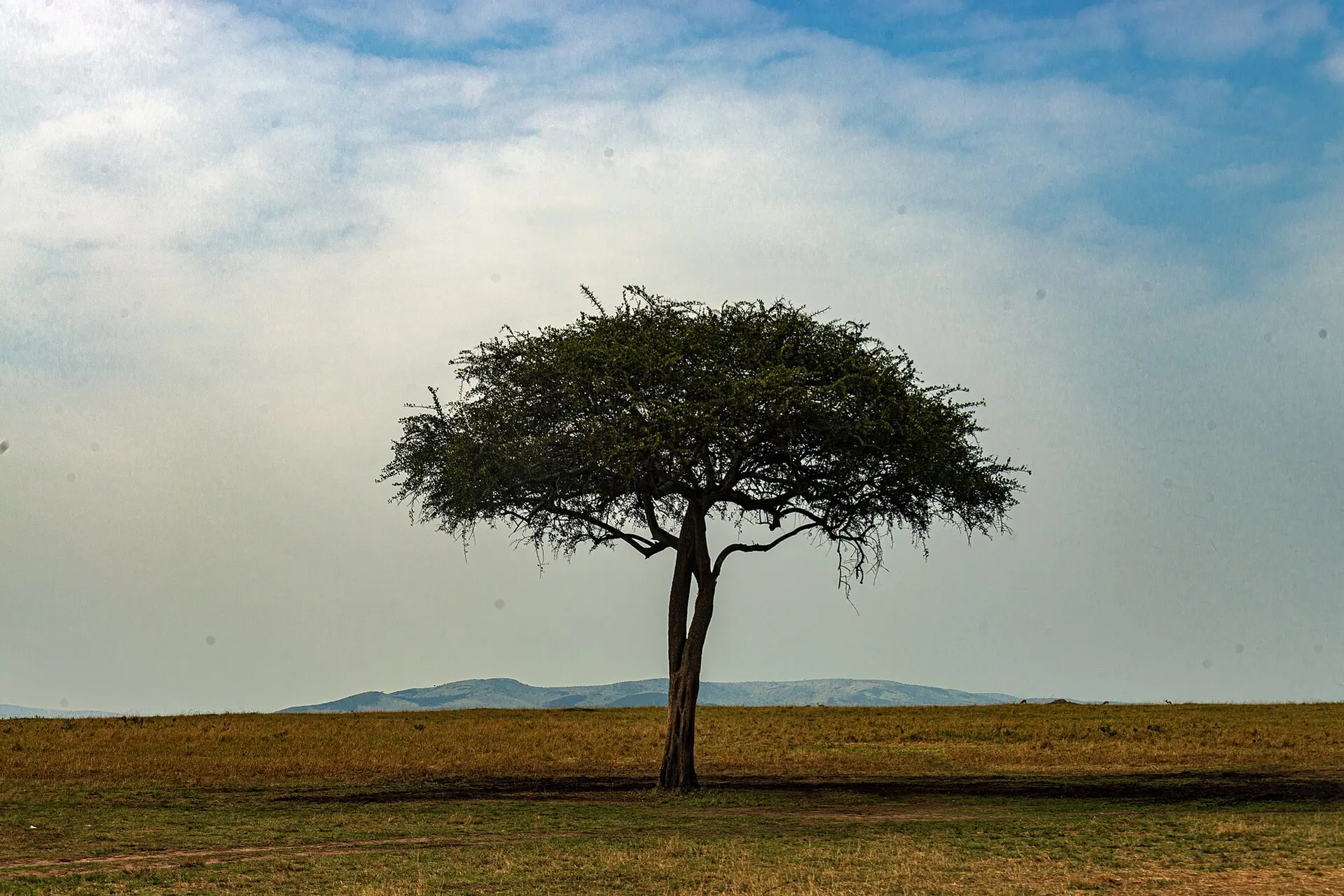
Kenya brings together big wildlife landscapes, highland culture and the Swahili coast. Its landscapes move through open savannah, volcanic highlands, freshwater lakes and a palm-fringed coast. A good trip protects that variety without turning every day into a long transfer.
This guide is a planning foundation, not a promise of live availability. Use it to choose regions and priorities, then reconfirm entry rules, health requirements, access, prices and schedules for the actual dates.
Places worth your time
Six anchors for a thoughtful route.
Wide grasslands, excellent guiding and seasonal migration drama make this a natural safari anchor.
A confident capital for food, museums, design and a useful first look at modern Kenya.
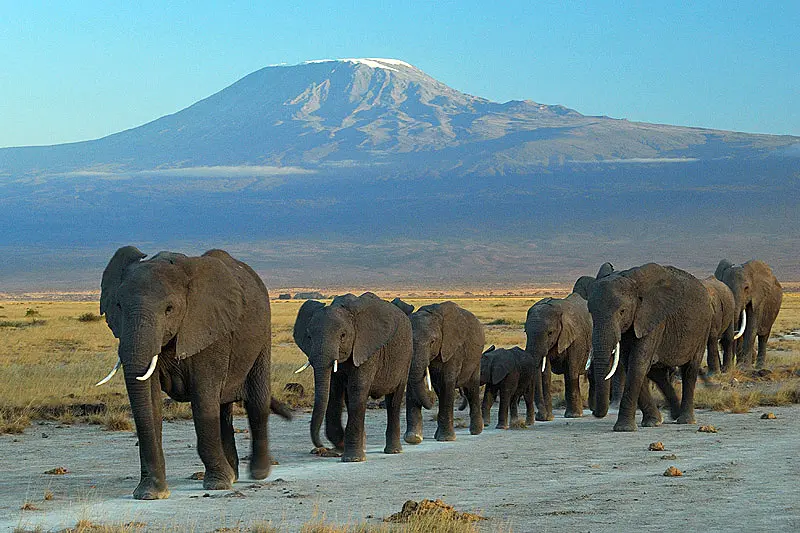
Elephants, wetlands and clear-day views toward Kilimanjaro reward patient observation.
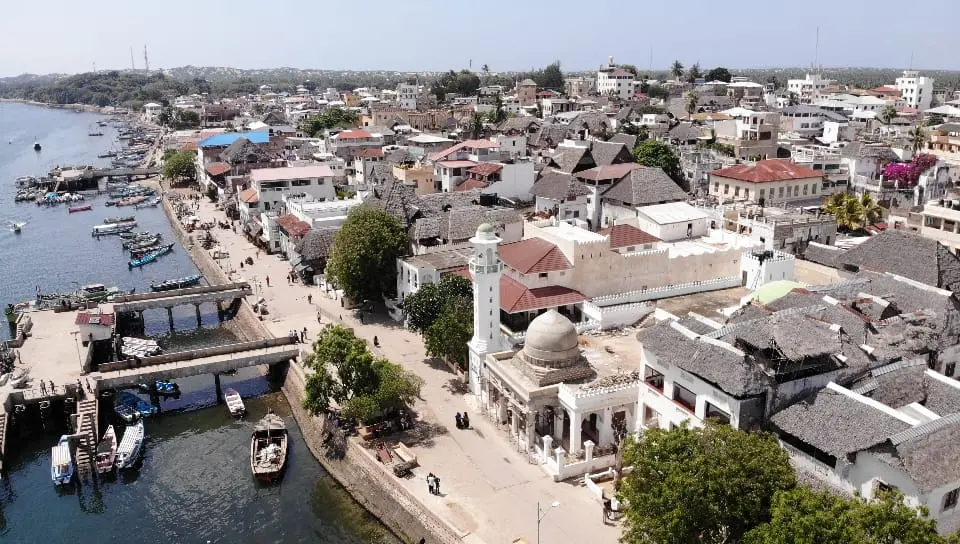
A slower Swahili island experience shaped by carved doors, dhow culture and narrow lanes.
Community conservancies and varied landscapes create space for lower-density wildlife travel.
A practical highland pause with birdlife, lakeshore stays and access to nearby walking country.
These places are route ingredients, not a compulsory checklist. Geography should decide what fits. A slower itinerary often creates more wildlife time, deeper cultural context and less fatigue.
When and how
Practical decisions before booking.
Choose dates by purpose
June–October and January–February is a useful broad reference. Rainfall, road conditions, animal movement, climbing conditions, festivals and coast weather can point to different months. Decide the main experience first, then compare dates.
Treat travel time seriously
A mix of domestic flights, the Nairobi–Mombasa railway and private road transfers works best; safari drives take longer than map distances suggest. Add contingency before international flights and avoid following a demanding drive with another high-effort activity.
Budget the route, not only the hotel
The local currency is Kenyan shilling (KES). Park fees, specialist permits, domestic flights, private vehicles and remote-area logistics can shape the budget more than room category. Carry layered payment options and ask where cards, cash or mobile money work.
Taste the country
Food belongs in the itinerary.
Look for nyama choma, coastal Swahili cooking, fresh produce and Nairobi’s contemporary food scene. A guided market visit or locally led meal adds context, but leave some meals unplanned so the trip can respond to recommendations and energy levels. Translate serious dietary restrictions clearly and keep appropriate medication accessible.
1,250 ways to start
Popular Kenya trip ideas.
A connected region
Continue through East Africa.
Cross-border combinations work when flight schedules, border requirements and driving time support them. Do not add a country simply to collect another stamp.
Common questions
Before you personalise the route.
How many days should I spend in Kenya?
Seven to ten days creates a useful first journey for many travellers, but the right duration depends on the regions chosen. One or two strong bases are better than a rushed list of every highlight.
When is the best time to visit Kenya?
The broad planning window is June–October and January–February. The best exact month depends on wildlife, hiking, beach conditions, road access and your tolerance for rain or crowds.
How do travellers get around Kenya?
A mix of domestic flights, the Nairobi–Mombasa railway and private road transfers works best; safari drives take longer than map distances suggest.